
Foreign Players in the Malaysia Super League: Are They Helping or Hurting Local Football?
Explore how foreign players influence the Malaysia Super League. Learn how they affect local talent, competition, player development, and the national team`s future.
Reporter: Rikard Djegadut
Redaktur: Rikard Djegadut
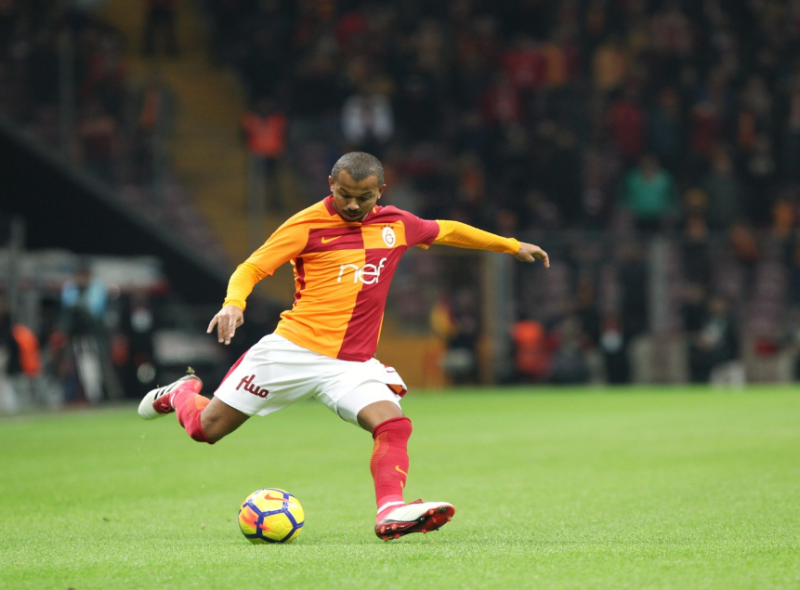
Jakarta, INDONEWS.ID - The Malaysia Super League is more appealing than ever, and that is in no small part down to the increased commercial viability because of international players. Better quality imports raise league standards, but too many can limit opportunities for young Malaysian players.
Finding the right balance remains the biggest challenge. The main consideration should be trying to strike the right balance, rather than trying to find the right number. Let’s consider how that balance informs players and clubs and the Harimau Malaya as well.
Foreign Professionals Raise the Daily Standard
Experienced foreign players introduce higher tactical standards, faster decision-making, and greater physical intensity to their teams. Fans interested in online betting often notice how experienced signings can quickly change a team`s performance over the course of a season.
Local footballers improve by competing against teammates who have performed in stronger leagues. They also observe professional habits during training and match preparation.
Better recovery routines, nutrition, and discipline become part of the daily environment. Young players gain valuable experience by working alongside professionals with international backgrounds. These lessons help academy graduates adapt more quickly to senior football and prepare for the demands of international competition.
Where Foreign Players Help Local Football
The benefits become clear when clubs recruit players who improve standards rather than simply fill squad places. Their impact can be seen across several areas:
- Faster match tempo forces local players to react more quickly.
- Experienced teammates improve tactical understanding during training.
- Stronger competition raises the quality of domestic fixtures.
- Professional habits influence recovery, preparation, and discipline.
These advantages matter most when Malaysian players still receive meaningful opportunities. Foreign quality should support development, not replace it.
Quota Rules Must Protect Competition and Opportunity
League regulations shape how clubs use overseas talent. The current challenge is keeping teams competitive while preserving starting places for local players across important positions. Well-designed quota rules encourage clubs to invest in academy graduates instead of relying entirely on experienced imports.
They also give coaches greater motivation to develop local footballers capable of competing at a higher level. Finding the right balance benefits both the Malaysia Super League and Harimau Malaya in the long term.
The New Matchday Limits Create More Space
The rules being implemented in Malaysia will lead to a reduction in the number of foreign players allowed to start matches. Most of the discussions on various online casino Malaysia sites will revolve around the impact that such rules will have on the performance of their clubs this season. Although there will be more room for Malaysian players on the field, there will be more strategic decisions to be made regarding which foreign players will start the games for their clubs.
The presence of these rules could aid the development of local players within these clubs if the extra starting spots are used properly. However, the minutes that the younger players get with these rules will be more important than the number of minutes that they currently get to play for their clubs.

The Risk Remains Highest in Key Positions
Foreign strikers and attacking midfielders usually fill the most influential positions within domestic squads. Many discussions within live casino Malaysia revolve around whether domestic football clubs should rely on more experienced imports or provide more opportunities to local talents.
This hampers the development of local forwards who are yet to gain valuable experience. The same challenges threaten domestic midfielders and defenders as well.
Although many clubs provide training for their local players, it is the opportunities given to them in competitive matches that determine their areas of improvement.
A good system would involve allowing a few strong imports to join the domestic squads while providing opportunities for local Malaysians with high potential to join the domestic league. Clubs should incentivize their domestic squads to develop local players rather than import foreign talents.
Malaysia Must Learn From Other Asian Leagues
Japan and South Korea cultivate their local talent via academies, reserve systems, and streamlined registration. They have pathways to foreign leagues to promote talent and higher standards of play.
Saudi Arabia has chosen to focus on building a more commercial league through larger foreign signings. Malaysia is somewhere in between. A flexible squad that limits foreign starting players is a good middle ground, but only if the youth systems are developed. To add to the entertainment of the league, the best option is to keep all national players.
The National Team Feels Every League Decision
Harimau Malaya requires players who have consistent and regular starting spots and have the ability to play under pressure throughout the long qualification process. A league that is primarily filled with players who are bench warmers cannot supply enough of the needed players to be reliable and successful in international play.
Foreign players can make a domestic league stronger when they bring higher standards and have coaching roles with the younger players who are on the team. The situation becomes concerning when they take away the opportunities of local players. The long-term option is not to cut off foreign players, but to have them in the league in a way that allows Malaysian players to have opportunities.


